Notable Results
We have won cases against every major insurance carrier. In fact, we secured the largest disability insurance bad faith verdict ever in California. Learn More
Full Resources
Insurance companies use many tactics to deny, delay or devalue claims. We have the skilled staff and financial resources to go up against the biggest insurance carriers, to force them to honor their policies and hold them accountable for bad faith denials. Learn More
Singular Focus
Insurance litigation is all we do, with an emphasis on long-term disability claims. Physicians, dentists, attorneys and other licensed professionals who purchased disability insurance benefit from our in-depth knowledge of law when insurance carriers fail to hold up their end of the bargain. Learn More
Proven Trial Attorneys
When insurance companies play hardball, our experienced litigators are up to the challenge. Our lawyers have prevailed against all the big players, including Unum, MetLife, Prudential, Cigna, Hartford and Mass Mutual. Learn More
San FranciscoBad Faith Insurance Claims Attorneys
California Policyholders Denied Benefits Have Legal Recourse — And a Proven Firm on Their Side
When Your Insurance Company Refuses to Pay What It Owes
Insurance companies collect premiums for years. When a covered loss occurs — a disabling sickness or injury, a business interruption, a long-term care event — some insurers deny valid claims, delay payment without justification, or offer settlements worth a fraction of the policy benefit. That conduct is not good faith. It is a breach of the implied covenant of good faith and fair dealing, and under California law, it gives rise to a bad faith insurance claim.
Pillsbury & Coleman, LLP is a San Francisco-based firm that has represented policyholders exclusively since 1991. Our attorneys have recovered over $1 billion for California policyholders wrongfully denied benefits by every major insurance company, including Unum, MetLife, Prudential, CIGNA/LINA, The Standard, Sun Life, and Travelers. We regularly handle bad faith insurance claims in state and federal court throughout California, including in the N.D. Cal., C.D. Cal., and before the Ninth Circuit. For select matters, we assist policyholders on a nationwide basis.
If your insurer has denied, delayed, or underpaid your claim, a San Francisco bad faith insurance claims attorney at Pillsbury & Coleman can assess whether that denial was wrongful — and what your policy entitles you to recover.
Established in 1991, Pillsbury & Coleman has served California policyholders for over three decades. Our insurance attorneys pursue insurance bad faith litigation on behalf of individuals and businesses involved in coverage disputes. We seek compensation for our clients’ financial losses, as well as punitive damages and attorney’s fees, when appropriate.
Why Bad Faith Insurance Litigation Requires Exclusive Specialization
Insurance coverage disputes — and bad faith claims in particular — are among the most technically complex areas of civil litigation in California. They require mastery of insurance contract interpretation, claims-handling regulations under Cal. Ins. Code § 790.03, and, in employer-sponsored plan cases, the federal ERISA framework governing the administrative record and standard of review.
General practice firms and plaintiff personal injury attorneys typically lack the carrier-specific knowledge, financial resources, and litigation infrastructure to prosecute these cases effectively. Pillsbury & Coleman does one thing: represent policyholders against insurance companies. That singular focus produces materially different outcomes.
In state court bad faith litigation, our attorneys are prepared to litigate the full range of insurer misconduct — from unreasonable claims handling and biased independent medical examination practices to systematic denial of benefits based on flawed paper reviews. In ERISA cases, we understand the critical importance of building and preserving the administrative record, litigating the appropriate standard of review, and identifying procedural irregularities that courts have found to be arbitrary and capricious.
Key legal frameworks our attorneys litigate include:
- De novo review of claim denials under ERISA where the plan does not grant discretionary authority to the insurer
- Arbitrary and capricious standard challenges when insurers ignore treating physician opinions
- Bias in independent medical examination vendors and functional capacity evaluation methodologies
- Reservation of rights letters issued without adequate disclosure of coverage defenses
- Duty to defend vs. duty to indemnify disputes in commercial liability coverage matters
- Claims manual violations and internal guideline deviations used to identify systemic bad faith
read more
When an insurance company denies payment of valid claims, cancels a claim without basis, unreasonably delays payment, fails to thoroughly investigate or defend an insured’s claim, or underpays insurance claims without a good reason, it is said to be acting in bad faith.

Why Our Clients
Hired Us
Click to Play
Our Results
What Our Clients Say
...because you do not just win cases, you do not just get judgments collected, you actually put lives back together and help heal wounds. More importantly, I believe for all the long hours you put, your significant others should see what a difference you make and especially made in our family's life because we will remain forever grateful to each and every one you."
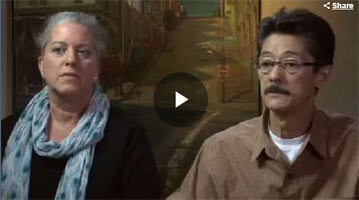
I am so grateful that I had you helping me with this most difficult time of my life. You were always there for me no matter what and I deeply appreciate it."
...to guide me on critical issues. Pillsbury & Coleman's attorneys proved to be all of the above. They crafted a creative and insightful strategy for my case that convinced me they were the go-to firm for bad faith insurance coverage issues."
...because you do not just win cases, you do not just get judgments collected, you actually put lives back together and help heal wounds. More importantly, I believe for all the long hours you put, your significant others should see what a difference you make and especially made in our family's life because we will remain forever grateful to each and every one you."
I am so grateful that I had you helping me with this most difficult time of my life. You were always there for me no matter what and I deeply appreciate it."
...to guide me on critical issues. Pillsbury & Coleman's attorneys proved to be all of the above. They crafted a creative and insightful strategy for my case that convinced me they were the go-to firm for bad faith insurance coverage issues."


Meet Our Attorneys
San Francisco Trial Lawyers Handling Bad Faith Insurance Disputes
Established in 1991, Pillsbury & Coleman, LLP, is one of the few law firms in California focused exclusively on representing policyholders in insurance disputes and insurance bad faith litigation. Insurance law is all we do and we do it very well.
Our attorneys offer experienced legal representation to businesses and individuals in San Francisco and throughout California. Whether you need help getting your health insurance to cover a claim, you need assistance getting a business loss covered, or assistance appealing a long-term disability insurance claim denial, we know how to help.
Click here to meet our team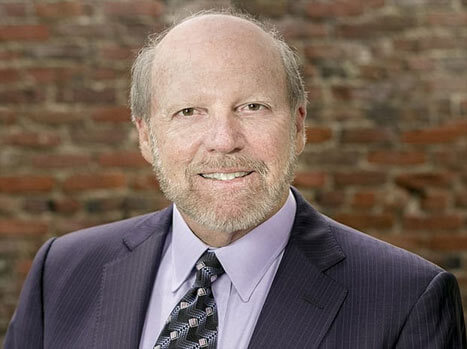




Frequently Asked Questions About Bad Faith Insurance
How long do I have to sue my insurance company for wrongful denial of a claim in San Francisco?
The statute of limitations for a bad faith insurance claim in California is generally two years under Cal. Code Civ. Proc. § 335.1 for tort claims, though the policy itself may contain a shorter suit limitations clause that governs breach of contract claims. For claims governed by ERISA, different federal limitations periods may apply depending on the plan documents. An attorney should evaluate the specific policy and claim circumstances immediately, because delays can foreclose valid claims.
What does it mean when an insurance company acts in bad faith in California?
Every insurance policy in California contains an implied covenant of good faith and fair dealing. When an insurer fails to conduct a thorough investigation, or unreasonably denies, delays, or underpays a valid claim, it breaches that covenant and commits insurance bad faith. Under Cal. Ins. Code § 790.03 and the California Supreme Court's decision in Brandt v. Superior Court, a policyholder who proves bad faith may recover the full policy benefits, consequential damages beyond the policy limits, attorney fees, and punitive damages.
Can I recover punitive damages against my insurance company for denying my claim?
Yes, under California law, a policyholder may recover punitive damages against an insurer upon proof by clear and convincing evidence that the insurer acted with malice, oppression, or fraud. Punitive damages are available in addition to compensatory damages and Brandt attorney fees. Pillsbury & Coleman has obtained punitive damages awards against major carriers, including as part of the largest disability insurance bad faith verdict in California history.
Is my insurance claim governed by ERISA or California state law?
Insurance policies purchased individually are governed by California state law, which permits recovery of punitive damages, consequential damages, and attorney fees in bad faith cases. Employer-sponsored group insurance plans are typically governed by ERISA, which preempts state law remedies and limits recovery to the policy benefits plus attorneys' fees in most circumstances. Pillsbury & Coleman handles both ERISA and state law claims and understands how to maximize available remedies in each framework.
My insurance company is requiring an independent medical examination — what are my rights in San Francisco??
An independent medical examination is conducted by a physician retained and compensated by the insurance company, which creates an inherent financial conflict of interest. Claimants generally have the right to bring a witness or observer to the examination. Courts have held that an insurer cannot rely on a single IME to override the opinion of a treating physician without adequate justification. Pillsbury & Coleman regularly identifies and challenges biased IME vendors and flawed examination methodologies in disability and long-term care claim litigation.
How long does it typically take to resolve a wrongful insurance claim denial in San Francisco?
Resolution timelines vary based on the complexity of the coverage dispute, the insurer's litigation posture, and whether the case is in state or federal court. Cases involving internal appeals under ERISA may take six to twelve months before litigation commences. State court bad faith litigation may resolve in twelve to thirty-six months through settlement or trial. Cases with significant punitive damages exposure frequently settle before a jury verdict is rendered.
How does Pillsbury & Coleman charge for insurance bad faith cases?
Pillsbury & Coleman typically represents policyholders on a contingency fee basis — there is no attorney fee unless we recover compensation on your behalf. In cases where bad faith is established, attorney fees may also be recoverable directly against the insurer under the California Supreme Court's decision in Brandt v. Superior Court, which allows recovery of fees incurred to obtain the policy benefit itself.
What documentation should I preserve after my insurance claim is denied?
You should immediately preserve and organize the following: the denial letter and all written communications from the insurer; the insurance policy and certificate of coverage; all medical records, reports, and functional capacity evaluations submitted with the claim; explanation of benefits statements; any notes or records of oral communications with claims handlers; and any correspondence related to a reservation of rights. This documentation forms the core of the administrative record in any subsequent litigation.
My insurer says I can perform some type of work — can they terminate my disability benefits?
Whether an insurer can terminate disability benefits based on a claimant's ability to perform some work depends entirely on the policy's own-occupation definition of disability. Policies providing own-occupation coverage protect benefits as long as the claimant cannot perform the material duties of their specific occupation, regardless of whether they can perform other work. Insurers frequently attempt to apply the any-occupation definition of disability prematurely — before the own-occupation period has expired — in order to reduce or eliminate benefit payments. This conduct may constitute a wrongful denial of benefits and breach of the implied covenant of good faith and fair dealing.
Has my insurance company been sued before for wrongfully denying claims in California?
Pillsbury & Coleman has litigated bad faith claims against every major insurance carrier operating in California. Unum and UnumProvident have been the subject of multi-state regulatory actions and paid landmark verdicts including our firm's $32 million result. Travelers Insurance Company paid a $26.5 million verdict secured by our attorneys. MetLife, Prudential, CIGNA/LINA, The Standard, and Sun Life have each been defendants in Pillsbury & Coleman cases. Regulatory actions against these carriers, including consent orders and market conduct examinations, are part of the public record and relevant to demonstrating systemic unreasonable claims handling in litigation.
Have more questions? Contact us for a free consultation with a trusted San Francisco Bad Faith Insurance Claims Attorney.
Firm Credentials — Trial Record & Verdict Authority
A Few Examples of Bad Faith Insurance Claims
Pillsbury & Coleman was founded in 1991 with a single mandate: hold insurance companies accountable to their policyholders. Over three decades, that focus has produced a trial record that insurance carriers take seriously before, during, and after litigation.
The firm’s verdict authority in bad faith insurance litigation is the foundation of every case it accepts:
- 8-figure combined settlement against AIG Specialty Insurance Company — Calistoga Ranch Owner LLC v. AIG Specialty Insurance Company, Napa County Superior Court
- Over $1 billion recovered for California policyholders across all policy types and coverage structures
- Punitive damages obtained in multiple jury trials — the firm’s trial record is the reason insurers treat its demands as credible
- Martindale-Hubbell AV Preeminent rated attorneys
- Named to Best Lawyers in America and Super Lawyers
- Fellows, American College of Coverage Counsel (ACCC)
- Statewide and national practice: San Francisco, Los Angeles, San Diego, Sacramento, Bay Area, Silicon Valley, Orange County, and federal courts nationwide
What Constitutes Bad Faith Insurance Conduct in California
When an insurance company denies payment of valid claims, cancels a claim without basis, unreasonably delays payment, fails to thoroughly investigate or defend an insured’s claim, or underpays insurance claims without a good reason, it is said to be acting in bad faith.
California law imposes specific obligations on insurers under Cal. Ins. Code § 790.03 and the implied covenant of good faith and fair dealing. The following insurer conduct — across all policy types including property, liability, life, health, and disability — gives rise to bad faith liability:
- Denying a claim without conducting a thorough, objective investigation of the facts and circumstances of the loss
- Delaying payment of an undisputed claim beyond 40 days without providing a written explanation as required under Cal. Ins. Code § 790.03(h)
- Misrepresenting the terms of the policy or the basis for a denial in written or oral communications with the policyholder
- Refusing to provide a defense under a liability policy when the duty to defend is triggered by the allegations in the underlying complaint — regardless of the merits of those allegations
- Issuing a reservation of rights letter without disclosing the specific coverage defenses the insurer intends to assert
- Applying policy exclusions in an overbroad or unsupported manner to avoid paying covered losses
- Offering a settlement the insurer knew was unreasonably low relative to the demonstrated value of the covered claim
- Conducting a biased or inadequate investigation designed to manufacture grounds for denial rather than objectively evaluate the claim
- Failing to acknowledge, respond to, or act reasonably on claims communications within the timeframes required by California law
- Canceling or rescinding a policy without adequate legal justification in order to avoid paying a covered loss
$32,000,000 — Disability Insurance Bad Faith Verdict
Defendant: UnumProvident Corporation, a leading national group disability insurer
Bad Faith Conduct Proven: Wrongful termination of long-term disability benefits; unreasonable claims handling in violation of the implied covenant of good faith and fair dealing and Cal. Ins. Code § 790.03
Recovery: $32 million, including compensatory and punitive damages. This verdict is the largest disability insurance bad faith verdict in California history.
$26,500,000 — Bad Faith Insurance Verdict
Defendant: Travelers Insurance Company
Bad Faith Conduct Proven: Wrongful denial of benefits and unreasonable claims handling giving rise to liability under California bad faith insurance law
Recovery: $26.5 million verdict obtained by Pillsbury & Coleman trial attorneys
$13,194,998 — Bad Faith Insurance Verdict
Defendant: Truck Insurance Exchange, a Farmers Group Company
Bad Faith Conduct Proven: Wrongful refusal to defend its insured in an underlying dog mauling lawsuit
Recovery: $13.1 million judgment obtained by Pillsbury & Coleman trial attorneys following jury’s verdict that Farmers acted in bad faith
$31,000,000 — Disability Insurance Recovery
View all case results on our Successes page.
Insurance Bad Faith Takes Many Forms
Bad faith liability extends across all lines of insurance — property, casualty, life, health, disability, and commercial liability. When the insurer’s conduct rises to the level of malice, oppression, or fraud, California law permits recovery of punitive damages in addition to the policy benefits owed, consequential damages, and attorney fees under Brandt v. Superior Court. Pillsbury & Coleman evaluates every potential bad faith claim against the full statutory and common law framework to identify the maximum remedies available to the policyholder.
We know how to get results in bad faith insurance claim litigation regardless of the type of policy. Just a few examples include:
- Breach of contract for disability, health and life insurance policies
- Group disability and health policies covered under ERISA laws — including claims subject to ERISA preemption in federal court
- Homeowner property and commercial property insurance claims, including natural disaster insurance claims, fire loss claims, water damage claims and more
- Business liability policies — including duty to defend disputes, D&O coverage, and cyber insurance bad faith
- Long-term care insurance claim denials
- Policyholders wrongfully accused of insurance fraud